Do Window Coverings Still Matter With Efficient Glass in Carlsbad?
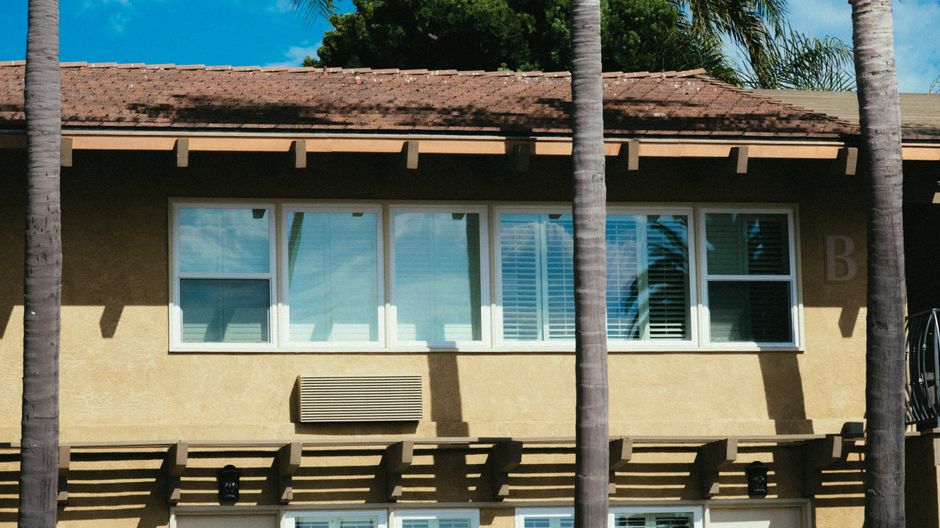
Yes, window coverings still matter if you already have efficient glass, because glass and coverings do different jobs. Low-E dual pane glass slows heat flow and filters much of the UV. A shade, blind, curtain or exterior screen decides how much light, glare and direct sun reaches the room at a given hour. In a sunny coastal city like Carlsbad, most homes get the best result from using both.
What Efficient Glass Does and Does Not Do
Low-E coatings and a sealed dual pane unit reduce the heat that moves through the window. They also cut a good share of ultraviolet light. That makes a room more stable in temperature and easier to cool.
What the glass does not do is turn the sun off. Visible light still passes through, and visible light is bright, warm on skin and hard on dyes. A beam of afternoon sun crossing a sofa is still a beam of afternoon sun, even through very good glass.
Low-E glass reduces fading but does not stop it. Visible light and heat also break down the dyes in rugs, wood floors, art and upholstery. Coverings handle the part the coating leaves behind.
Read Your Window Label Before Choosing

Look for the NFRC label on the window or in the original paperwork. Two numbers matter here.
- Solar Heat Gain Coefficient (SHGC) shows how much solar heat gets through. Lower means less heat.
- Visible Transmittance (VT) shows how much daylight gets through. Higher means a brighter room.
A window can have a low SHGC and a high VT at the same time. That is a good combination for energy, but it still lets in bright light and glare. A covering is how you manage that brightness without replacing the glass.
West Glass Is the Carlsbad Problem
Late afternoon sun in Carlsbad comes in low over the ocean and strikes west walls nearly head on. Roof overhangs and eaves do little against a sun that low, so west windows are not protected by the roofline. Vertical solutions work better: exterior solar screens, roller shades or vertical blinds.
South windows are different. An overhang blocks the high summer sun while the low winter sun still reaches in, which is a useful trade. East and west faces do not get that benefit, because the sun angle is low on both. Plan different treatments for different sides of the house rather than one product everywhere.
Exterior Shading Beats Interior Shading for Heat
Exterior screens, awnings and louvers stop sunlight before it reaches the glass. Interior coverings act after the light has already passed through, so some of that heat stays in the room. For a hot west or south room, an exterior product does more than any interior one. Interior coverings are still valuable for glare, privacy and comfort, but they should not be expected to stop heat as well as shading outside the window.
Trees and tall shrubs on the west and south sides shade glass for free. Keep them trimmed back from the frame so they do not hold moisture against it or rub the vinyl and screens.
Ocean Views and Reflected Glare
Homes with water views get glare even when direct sun is not on the glass, because light bounces off the ocean surface. Light colored or medium openness solar shades cut that glare and keep the view. Blackout fabric solves glare by hiding the view you paid for, so save it for bedrooms.
Picking solar shade fabric
Openness factor is the size of the gaps in the weave. A more open weave keeps more of the view but lets in more light and UV. A tighter weave gives more glare and fade protection. Match the openness to how much you value the view in that particular room.
Color matters in a specific way. A darker color on the room side gives a better view through the fabric and less glare. Lighter or reflective backings send more heat back out through the glass. Many owners of west ocean view homes choose a dark interior face for the view and rely on low SHGC glass for heat control. Darker shades do not always keep a room cooler, so think of color as a view and glare choice first.
Curtains and Drapes
Lined drapes that close fully and reach the floor perform better than short or loose panels. On sun-facing windows, use light colored or reflective linings. Dark, heavy drapes absorb heat and radiate it back into the room.
Sheers, liners and cords on west and south windows yellow and weaken faster than those on north windows. Check them for brittleness every few years, and consider fade resistant or lined fabrics on the sunny sides.
Cellular Shades for Cool Evenings
Cellular (honeycomb) shades trap air in their cells and add some insulation at night. That helps on the cooler coastal evenings common through much of the year. It also helps in warmer inland neighborhoods such as La Costa and the eastern parts of town on winter evenings, when the temperature drops after sunset.
Working With the Marine Layer
May Gray and June Gloom leave many spring and early summer mornings dim. A shade that stays shut through a gray morning wastes free daylight. Top down/bottom up shades, or any shade that lifts easily, let you open the room when it is overcast and close it when the afternoon sun breaks through. Keeping every covering shut all day is not always the most efficient choice, since it depends on daylight and season.
Santa Ana Days
Fall Santa Ana conditions can bring the hottest, driest days of the year, sometimes after summer has ended. Homes near the beach that lack central air rely on shading during these spells. Close west and south coverings before the afternoon peak, not after the room has already heated up.
Coverings help comfort, but blackout curtains cannot replace air conditioning on a hot day. Think of them as a way to reduce how hard the rest of the home has to work.
Wind and Salt Air Around Exterior Products
The same Santa Ana winds can damage exterior roller screens and awnings. Retract them in strong wind, or choose models with side retention tracks or zipper edges and wind sensors.
Salt air near the coast corrodes ordinary steel hardware. Within a few blocks of the beach, choose stainless steel or powder coated aluminum for brackets, fasteners and tracks, and rinse them with fresh water now and then to remove salt deposits. Screen fabric needs the same gentle rinse with fresh water and a soft brush, because salt and dust film reduces clarity and can clog the weave over time.
Be Careful With Films and Very Dark Treatments
Heat can build up in the gap between a dark, tight fitting shade and the glass. A reflective film applied directly to low-E or tinted glass can do the same, which raises thermal stress on the pane. Check the window maker's guidance before adding films or very dark, close mounted treatments. Some makers restrict them under their warranty.
Do not apply aftermarket film to efficient dual pane glass without confirming compatibility first. Film can conflict with an existing low-E coating, cause stress cracks or void the glass warranty, and it often adds little over the coating already in place.
Fit, Safety and Automation
Many Carlsbad tract homes from the 1970s through the 1990s have sliders and narrow returns. Measure inside mount depth before ordering, and make sure the shade clears window hardware, does not rub the glass, and does not block operable sashes or vents.
Choose cordless or motorized operation, especially with young children or pets in the home. Dangling cords are a strangulation hazard, and modern lift systems remove them.
Motorized shades with a timer or sun sensor close at the right time even when nobody is home. That suits west rooms that heat up while you are at work.
A Simple Plan by Exposure
- West: exterior screens or roller shades, closed before the afternoon peak.
- South: overhangs for summer sun, plus an interior shade for glare.
- East: an easily lifted shade for morning glare, kept open on gray mornings.
- North: light treatments for privacy; fading and heat are less of a concern.
- Ocean view windows: medium openness solar shades with a dark room-side face.
Efficient glass is the foundation, and coverings finish the job. Together they handle heat, glare and fading in a way that neither does alone.