Low-E Window Care in Carlsbad: How to Clean Them Right

Low-E windows in Carlsbad need nothing fancier than mild soap, water, a soft cloth and a rubber squeegee, plus a regular freshwater rinse to keep coastal salt from building up. The glass itself is easy to care for. The parts around it, including the weep holes, sealant, tracks and weatherstripping, are what decide whether efficient windows keep performing for years.
Start by Knowing Where the Coating Sits
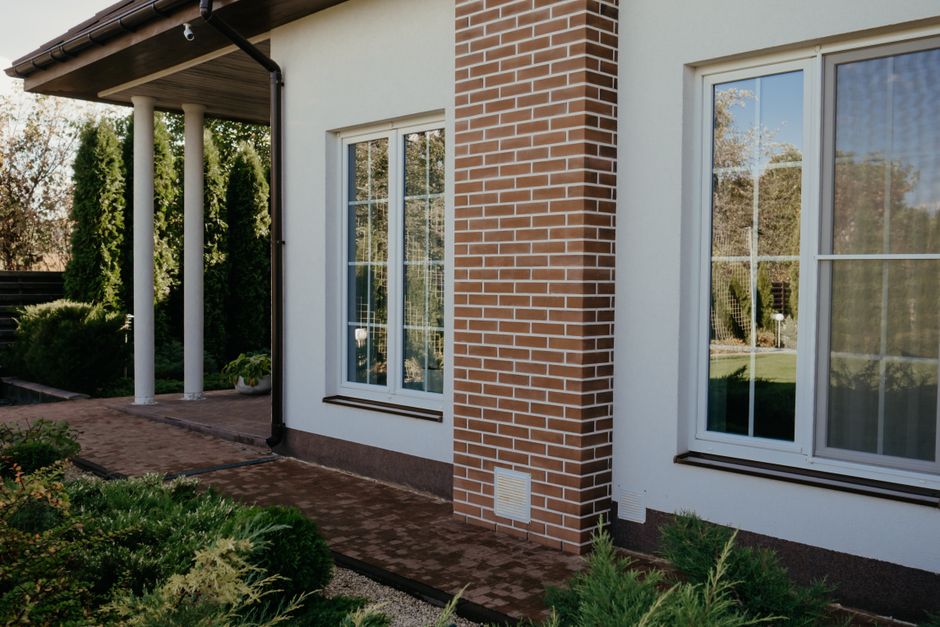
In most dual-pane low-E windows, the coating sits on an inner glass surface sealed inside the unit. Normal cleaning cannot touch it. Some products, often hard-coat types, put a coating on a room-side surface, so a quick look at the label or the manufacturer's care sheet is worth the minute it takes.
Ordinary mild soap or diluted vinegar will not harm low-E glass. The real risk is scratching, and scratches are permanent. That is why the tools you choose matter more than the cleaner you choose.
The Gentle Cleaning Kit
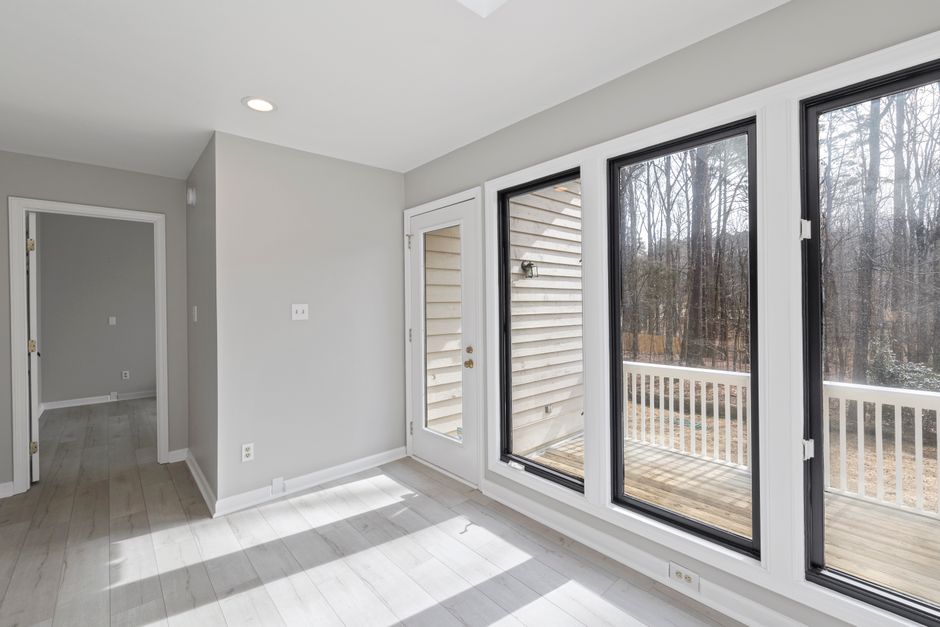
A small kit handles nearly every job:
- A bucket of water with a few drops of mild dish soap, or a diluted vinegar solution
- A soft cloth or sponge
- A rubber squeegee
- Lint-free microfiber towels
Work from the top of the pane down. Wipe the squeegee blade clean after each pass so you are not dragging dirt back across the glass.
Tools to Leave in the Garage
Skip razor blades, steel wool, scouring pads, abrasive powders and gritty "magic" erasers. They can scratch the glass and any exposed coating. For stickers, tape or label residue, soak the spot with warm soapy water, or use a cleaner the manufacturer approves, then lift the softened residue with a plastic scraper. Never use a metal blade.
Never Scrub Dry Glass in a Coastal City
Carlsbad air carries sand and salt crystals, and they settle on glass. Wiping dry glass drags that grit across the surface like sandpaper. Rinse or soak the pane first so the particles float off, then wash.
Pressure washers are not a shortcut. High-pressure spray can force water past frame seals, glazing beads and weatherstripping, and it can damage the insulated glass seal. A garden hose at normal pressure is plenty.
Rinse Salt Off Before It Builds Up
Marine layer moisture and onshore breezes leave a salt film on glass, frames and screens. Homes near the beach, the Village or the lagoons (Agua Hedionda, Batiquitos, Buena Vista) collect it faster than homes farther inland toward La Costa.
Between full washes, give the windows a plain freshwater rinse with a hose on gentle spray. Coastal homes benefit from doing this often, while inland homes can stretch the interval. Salt is especially hard on aluminum frames, where it causes white powdery corrosion and pitting, so rinse those frames thoroughly.
Pick the Right Time of Day
Carlsbad's morning marine layer is a good friend to window washers. Cool, overcast glass gives you time to wash and squeegee before the water dries. Glass in direct afternoon sun dries too fast and leaves streaks and mineral spots before you can get to it.
Deal With Hard-Water Spots
Local tap water is fairly mineral-heavy, and sprinkler overspray hitting glass leaves white spots that bake on over time.
- Adjust sprinkler heads so they do not hit windows.
- Remove fresh spots with diluted vinegar.
- For stubborn panes, finish with a wipe of distilled water.
Clean Frames According to Their Material
Vinyl frames need only mild soap and water. Solvents, acetone and harsh degreasers can dull or soften the surface. Aluminum frames need frequent rinsing in coastal air for the salt reasons above. Neither material is maintenance-free, even though both are low-maintenance compared with older options.
Wash Screens Separately
Remove screens and wash them with mild soap and a soft brush, then rinse. Salt and dust buildup corrodes aluminum screen frames and blocks airflow. Torn or bent screens also let sand into the tracks, which creates trouble further down the line.
Keep Sliding Tracks Clear and Lightly Lubricated
Sand and grit in sill tracks wear down rollers and weatherstripping. They also keep sliders from closing fully, which hurts the air seal that efficient windows depend on.
- Vacuum the tracks with a crevice tool.
- Wipe them with a damp cloth.
- Apply a dry silicone or dry PTFE lubricant to the tracks and rollers.
Avoid oil and grease. They hold sand and turn into a grinding paste.
Check the Weep Holes
Weep holes are small slots on the exterior face of the bottom frame. They let rainwater that collects in the sill drain outside. They are a built-in drainage feature, not a flaw, and they should never be sealed.
To clear them, use a pipe cleaner, a soft wire or a thin plastic tool. Then pour a little water into the track to confirm it drains outside.
Never caulk or paint over weep holes. Blocked weeps let water back up in the sill, where it can spill indoors or soak into the wall. Painters and DIY caulking jobs on stucco homes often seal them shut by mistake, so it is worth checking after any exterior work.
Time It Before the Rain
Carlsbad's rain comes mostly in winter, often after months of dry, dusty weather. Fall Santa Ana winds can pack weeps with dust and debris. Clearing them in autumn means they are ready when the first storms arrive.
Inspect Sealant and Weatherstripping
Once a year, look at the caulk joint where the frame meets the stucco or siding. Watch for cracks, gaps, or sealant pulling away from either side. Sun exposure dries sealant out over time. Remove the failed bead and replace it with a sealant rated for the frame and wall materials.
Then check the weatherstripping on sliders and operable sashes. Flattened, torn or missing strips need replacement. A thin line of daylight around a closed sash, or a draft you can feel on a windy day, is the signal.
Check the Hardware
Salt air is rough on locks, latches, cranks and hinges. Look for rust or stiffness, rinse the hardware, and apply a light dry lubricant. Replace any piece that no longer pulls the sash tight against the weatherstripping, since a sash that does not close snugly gives up the efficiency the glass was meant to deliver.
Read What the Glass Is Telling You
Fog Between the Panes
Fog, haze, moisture or mineral streaks between the two panes mean the insulated glass seal has failed. You cannot clean it away because it sits inside the sealed unit, and defogging kits do not restore the original insulating performance. The usual fix is replacing the glass unit rather than the whole window.
Condensation on the Room Side
Moisture on the inside surface of the glass on a cool morning is about indoor humidity, not a failing window, and low-E glass does not cause it. Run bath and kitchen fans, ventilate, and wipe up the water so it does not sit on sills and frames.
Think Twice About Window Film
Some aftermarket tint or film on low-E dual-pane glass can raise heat stress in the glass, and it may void the glass warranty. Film will not make low-E windows more efficient. Check with the window manufacturer before applying anything.
A Simple Yearly Routine
- Frequently, near the coast: rinse salt off glass, frames and screens with a gentle hose spray.
- A few times a year: wash the glass, vacuum and wipe the tracks, and wash the screens.
- Once a year, in late summer or fall: clear the weep holes, inspect the perimeter sealant, check the weatherstripping and hardware, and look for any fog between the panes.
That short list, done consistently, keeps low-E windows clear, draining properly and sealed tight in Carlsbad's salty, dusty air.